

- Home
- Products
- HOT
- Technology
- Service
- Resources
- About
- Contact
- All
- Product Name
- Product Keyword
- Product Model
- Product Summary
- Product Description
- Multi Field Search

Views: 0 Author: Site Editor Publish Time: 2026-07-17 Origin: Site


For sports equipment importers and distributors, sourcing the right ice hockey player helmet isn't just about bulk pricing. It is a strict exercise in risk management, compliance, and matching regional market demands. End-users, including competitive players and local associations, demand lightweight comfort and maximum impact protection. Simultaneously, local governing bodies mandate non-negotiable safety certifications before any gear hits the ice. Importers face immense pressure to balance these performance expectations against strict legal requirements. A single non-compliant batch can ruin wholesale margins and permanently damage distributor reputations. This guide breaks down the technical specifications, compliance frameworks, and inventory strategies you need. We will help you confidently evaluate global suppliers, optimize your size curves, and finalize your purchasing decisions to ensure a profitable product line.
Establishing a baseline for legal market entry is your first hurdle when importing sports protective gear. You cannot bypass mandatory safety certifications. Governing bodies strictly enforce these standards to mitigate catastrophic head injuries.
You must familiarize yourself with the "Big Three" certifications. The Hockey Equipment Certification Council (HECC) governs the United States market. The Canadian Standards Association (CSA) dictates compliance for Canada. Meanwhile, the CE mark is legally required for distribution across Europe. Each body tests equipment for impact absorption, retention system strength, and shell durability under extreme conditions. Shipping uncertified equipment invites immediate customs seizures and severe legal liability.
One critical compliance factor often overlooked is certification expiration. The HECC enforces a strict 6.5-year expiration rule. This clock starts ticking on the exact date of manufacture, not the date you receive the goods. Importers must actively verify manufacturing mold dates stamped on the product. If you buy heavily discounted "new" inventory from a supplier, they might be offloading old stock. This severely shortens the product's shelf life, making it unsellable to competitive leagues.
Auditing a factory’s credentials prevents costly mistakes. Follow these steps to verify your supplier:
Never rely solely on a supplier's verbal assurance. Conduct independent verification to secure your supply chain and protect your retail partners.
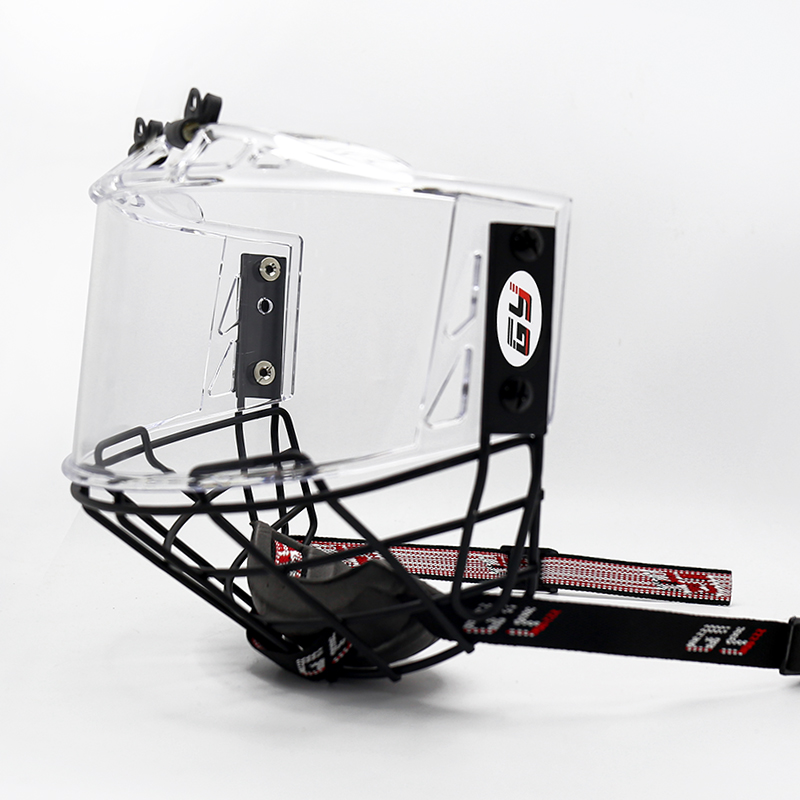
Technical components directly justify your wholesale costs. You must understand how different materials perform to appropriately segment your product lines. This knowledge allows you to pitch the right models to recreational buyers versus elite retailers.
We start by evaluating the outer shell architecture. Most entry-level models use standard plastics. However, high-density polyethylene (HDPE) remains the industry gold standard. HDPE provides exceptional impact resistance. More importantly, it maintains flexibility under extreme cold. Cheap plastics become brittle in freezing rinks, leading to dangerous shell cracking. You should also evaluate the shell's ventilation design. Superior airflow engineering increases manufacturing costs but heavily drives retail appeal.
Internal liner systems act as the primary pricing differentiator. Factories generally offer two dominant foam configurations, alongside newer emerging technologies.
Vinyl Nitrile (VN) foam offers a softer, traditional feel. It adapts easily to various head shapes without requiring complex adjustment mechanisms. VN foam absorbs impacts well for recreational to mid-tier play. It represents the best option for high-volume, mid-priced importing.
Expanded Polypropylene (EPP) foam targets the premium market. EPP is significantly lighter and provides superior protection against catastrophic, high-velocity impacts. Because EPP is rigid, manufacturers often pair it with soft memory foams for comfort. This dual-density construction increases your B2B purchasing cost but establishes the standard for elite retail targeting.
Emerging technologies include 3D-printed lattices and rotational impact absorption systems. These systems manage multi-directional forces brilliantly. However, they drastically inflate manufacturing costs. Evaluate carefully if your target demographic supports the higher retail price before committing to these advanced liners.
| Feature | VN (Vinyl Nitrile) | EPP (Expanded Polypropylene) |
|---|---|---|
| Target Market | Recreational / Mid-Tier | Premium / Elite |
| Weight | Heavier | Ultra-lightweight |
| Impact Absorption | Good for repetitive, low-impact hits | Excellent for high-velocity, catastrophic impacts |
| Comfort Profile | Soft, highly adaptable out of the box | Rigid, requires secondary comfort foam layers |
| B2B Cost Impact | Moderate | High |
Face protection configurations offer distinct inventory strategies. You must decide between importing helmet-and-cage combos or standalone units. Combos generate a higher upfront Average Order Value (AOV). They appeal directly to youth leagues and amateur players who prefer one-stop solutions. Standalone units cater to specialized adult players who prefer customizing their visors and cages.
Evaluating aftermarket face protection is crucial for cross-selling. Sourcing a reliable practice ice hockey cage allows you to build high-margin replacement inventory. When assessing cages, pay close attention to the metal alloys used. Carbon steel cages are heavier and highly durable, making them perfect for entry-level price points. However, they can rust over time if scratched. Premium cages utilize stainless steel or titanium. These materials resist rust and reduce overall weight, commanding a premium retail price.
Wire geometry serves as a major retail selling point. Traditional round wires offer standard protection but can obstruct a player's field of vision. Oval wire designs flatten the profile of the bars. This drastically improves sightlines and reduces visual fatigue during fast-paced games. Upgrading to oval wire cages can easily justify a higher wholesale cost.
Universal mounting is your most critical requirement here. The cages you source must feature standardized J-clips and universal mounting hardware. They need to fit major brand shells flawlessly. Proprietary mounting systems limit your aftermarket sales potential and frustrate retail customers.
Mitigating dead stock is vital for protecting your profit margins. Poor sizing distribution is a common mistake among new importers. Ordering a flat 1:1:1 ratio of Small, Medium, and Large units virtually guarantees unsold inventory.
The size curve reality dictates a different approach. Industry norms for adult demographic distributions heavily favor Medium and Large sizes. These two sizes accommodate the vast majority of adult players. Small sizes move much slower unless you are specifically targeting youth or junior leagues. Analyze your regional demographic data before finalizing your purchase orders to optimize your sell-through rates.
Adjustability features significantly influence an ice hockey helmet's marketability. You will encounter two primary adjustment styles:
Finally, factor in head shape variations. Internal fit profiles vary between oval and round designs. North American markets typically favor oval internal fits, while Asian markets often require rounder profiles. Discuss these internal mold variations with your factory to ensure regional compatibility.
Moving from technical evaluation to active sourcing requires strict supply chain risk mitigation. Start by evaluating Minimum Order Quantities (MOQs). Factories generally offer low MOQs for stock colors like black, white, and navy. These neutral colors dominate retail sales. If you want custom team colorways or specific OEM branding, expect MOQs to jump significantly. Balance your desire for brand exclusivity against the financial risk of holding large, specialized inventory.
Once you negotiate terms, you must conduct a sample stress test. Receiving your first physical samples is a critical quality control phase. Do not just look at the product; actively stress it. Check the foam glue degradation by exposing the sample to cold and warm environments. Poor adhesive will quickly cause the liner to separate from the shell. Inspect the shell seam finishes for sharp plastic burrs that could cut a player. Vigorously test the chin strap snap durability. Weak hardware is a major liability and the most common point of failure on cheap imports.
Lastly, evaluate packaging and freight efficiency. Protective headgear is inherently bulky. Freight costs depend heavily on volumetric weight. Work with your supplier to optimize box dimensions. Ask if the design allows for safe nesting or stackability without compressing the liners. Efficient packaging reduces your shipping volume, which serves as a critical factor in lowering your final landed costs. Every cubic meter saved directly improves your bottom line.
Successful importation of protective sports equipment demands rigorous attention to detail. You must align internal protective technology with strict local safety standards to avoid liability. Smart size-curve ordering, heavily weighted toward Medium and Large profiles, prevents dead stock and maximizes turnover. Furthermore, prioritizing universally compatible face protection creates robust aftermarket revenue streams. Always demand up-to-date compliance documentation from factories before you even request physical samples. By actively stress-testing materials and optimizing your freight volume, you build a resilient, highly profitable supply chain.
A: The standard shelf life is dictated by the HECC 6.5-year rule. This expiration period begins exactly on the date of manufacture, not the date of purchase. Importers must verify fresh production runs from suppliers to ensure retailers can sell the inventory with maximum usable life for players.
A: Yes, provided the cage features standard J-clips and universal mounting hardware. However, be cautious. While standard cages fit most shells physically, strict liability tests for CE and CSA compliance often require specific cages to be tested and certified in combination with specific helmet shells.
A: OEM (Original Equipment Manufacturer) involves stamping your brand logo on an existing, pre-certified factory mold. It offers faster, lower-risk market entry. ODM (Original Design Manufacturer) requires paying for custom tooling and exclusive design rights from scratch. We advise starting with OEM to minimize upfront compliance risks.

