

- Home
- Products
- HOT
- Technology
- Service
- Resources
- About
- Contact
- All
- Product Name
- Product Keyword
- Product Model
- Product Summary
- Product Description
- Multi Field Search

Views: 0 Author: Site Editor Publish Time: 2026-06-30 Origin: Site


Stepping onto the field or ice requires absolute focus. You cannot afford visual distractions when a split-second decision determines the game. Unfortunately, foggy or scratched shields are not just minor annoyances. They severely compromise your reaction time, limit peripheral vision, and threaten player safety during high-stakes moments. Settling for cheap plastics creates a dangerous false economy. These untreated shields degrade rapidly under extreme temperature shifts in hockey or harsh physical abrasion in football. You need equipment designed to handle intense athletic demands safely. Upgrading to a premium, factory-treated model is a non-negotiable step for serious competitors. In this guide, you will learn how to evaluate material quality and navigate strict league regulations. We will also show you exactly how to protect your investment. Keep reading to discover the ultimate strategies for maximizing the lifespan of your protective gear.
Players often misunderstand the structural differences between visor materials. Cheaper shields frequently use basic acrylic. Acrylic feels rigid, but it fractures easily under sudden stress. High-impact sports require something much tougher. Genuine impact resistant visor models rely heavily on optical-grade polycarbonate. Polycarbonate possesses unique energy-absorbing properties. It flexes slightly upon impact. This flexing disperses the kinetic energy across the entire surface. A flying hockey puck or an errant football cleat carries tremendous force. Polycarbonate absorbs these brutal hits without shattering. It also provides a superior, distortion-free optical baseline. You see the play happening exactly where it is. There is no frustrating warped vision.
A bare polycarbonate shield will still fog up and scratch. Manufacturers solve this by applying advanced dual-coatings. These chemical layers drastically improve performance.
Many athletes try to save money using aftermarket sprays. These sprays only offer temporary relief. They sit loosely on top of the plastic. Sweat and physical contact easily rub them off mid-game. A premium anti-fog sports visor utilizes factory-baked coatings. Manufacturers bond these chemicals directly into the polycarbonate under high heat. This chemical integration creates a permanent, durable barrier. Factory coatings simply outperform DIY sprays over a long, demanding season.
Every sport introduces unique environmental hazards. You cannot judge a shield purely on aesthetics. You must evaluate how it handles your specific game-day conditions. Here is a breakdown of what you must consider for both gridiron and ice action.
Football players face distinct on-field threats. You battle mud, grass kicked up by cleats, and heavy rain. UV glare also blinds players during afternoon games. A quality shield must deflect abrasive dirt without clouding up.
Attachment mechanisms matter immensely. You should always evaluate "easy-clip" or quick-release systems. If a player goes down, medical staff must act fast. Quick-release clips allow trainers to remove the shield rapidly without unscrewing the facemask. Ventilation is another critical factor. Your facemask style dictates airflow. Tight, densely barred facemasks trap heat. This increases breath-induced fogging. You need a shield specifically cut to allow upward airflow.
Hockey players deal with entirely different environmental extremes. Extreme temperature shifts are your biggest enemy. You skate on cold, 32-degree ice. Then you sit on a warm bench. Then you walk into a humid locker room. These rapid transitions cause massive condensation. Superior thermal-shift management is vital here.
Impact velocity is also a major concern. Pucks travel at incredibly high speeds. Accidental high-sticking happens in every game. Your shield must withstand severe, concentrated impacts. Finally, you must choose your coverage area carefully. Half-shields provide excellent airflow and visibility. Full-face combos offer maximum facial protection but can trap heat. You must balance safety with ventilation.
| Evaluation Criteria | Football Demands | Hockey Demands |
|---|---|---|
| Primary Hazards | Mud, turf beads, UV glare, errant fingers | High-speed pucks, sticks, ice chips |
| Fog Triggers | Heavy exertion in humid/rainy weather | Extreme cold-to-warm temperature shifts |
| Attachment Style | Quick-release clips for medical access | Secure dual-screw mounts to helmet shell |
| Ventilation Needs | Must vent through dense metal facemasks | Must vent around half-shield or full-face cage |
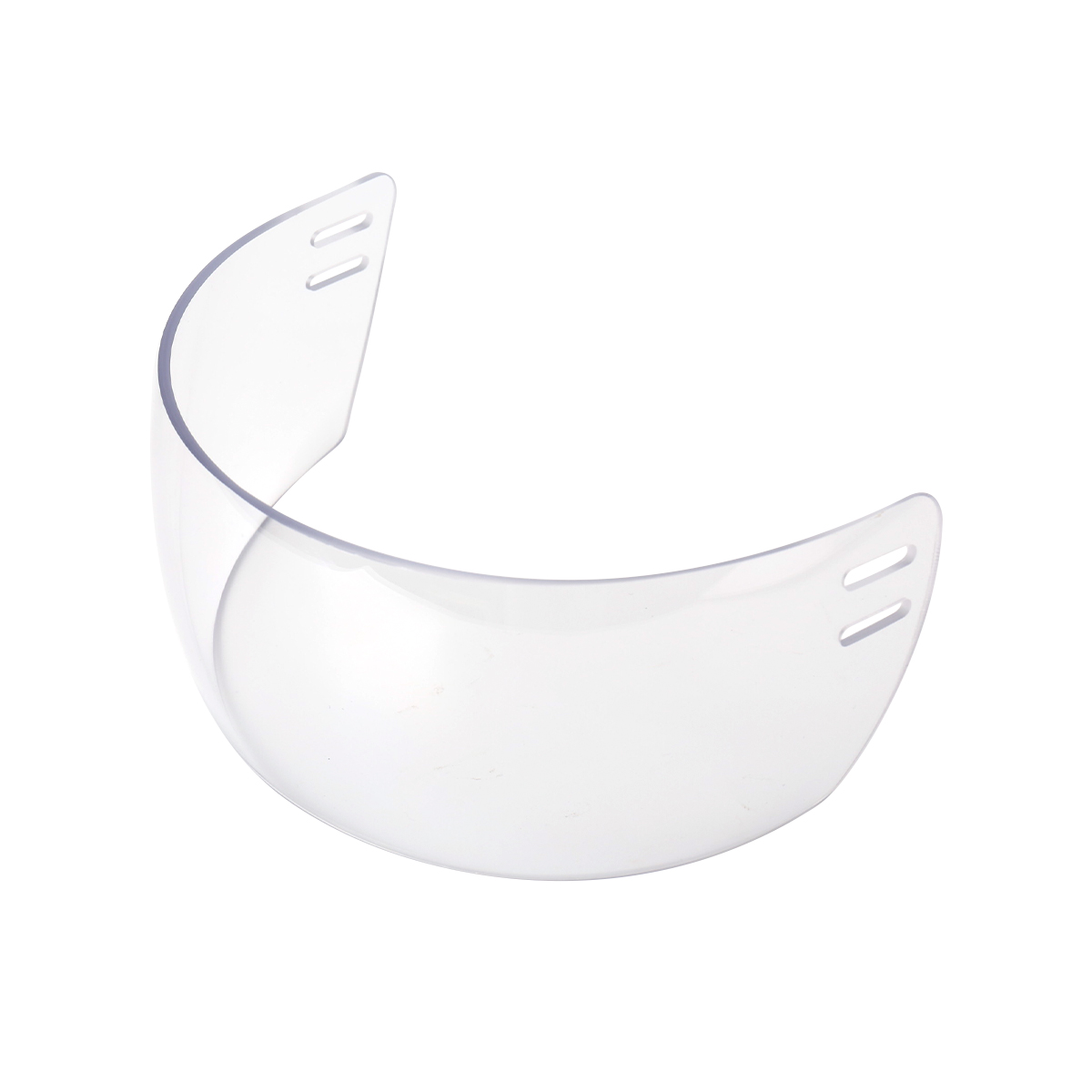
It does not matter how much money you spend on premium gear. Buying the best anti-fog anti-scratch visor is completely useless if the referee bans it pre-game. Equipment violations result in immediate removal from the field. You must understand your governing body's specific regulations before making a purchase.
The National Federation of State High School Associations (NFHS) and the NCAA enforce strict rules. High school and collegiate levels mandate 100% clear visors. Referees immediately flag tinted, mirrored, or smoked models. This rule exists purely for player safety. Medical staff must assess a downed player’s eyes immediately. They look for pupil dilation to diagnose concussions. Dark tints block this crucial medical evaluation. Some leagues allow mild tinting only if you provide a verified doctor's note for light sensitivity. Always assume you need absolute clarity for official games.
Hockey regulations focus heavily on certification and physical dimensions. USA Hockey requires amateur players to wear properly certified equipment. You must look for valid HECC (Hockey Equipment Certification Council) or CSA stickers on the shield. Referees check for these stickers routinely. Furthermore, regulations dictate visor height. The shield must cover the eyes and extend down to the lower nose. Amateur leagues strongly restrict heavily tinted visors as well. They obscure vision in dimly lit community rinks. Professional NHL players enjoy more leeway regarding tints, but amateurs must prioritize safety and rulebook compliance.
We need to address a hard truth about sports equipment. No visor is 100% scratch-proof forever. Polycarbonate is extremely tough, but it eventually wears down. Repeated exposure to turf, ice chips, and abrasive dirt takes a toll. Your ultimate goal is delaying degradation, not preventing it entirely. Recognizing this helps you manage your equipment budget. Professional players swap shields constantly. Amateurs should aim to get one to two full seasons of peak performance.
Locker rooms are filled with terrible maintenance advice. You will hear teammates suggest using dish soap, shaving cream, or even spit to stop fog. These DIY myths actively destroy your gear. Household cleaners contain aggressive chemical surfactants. These chemicals strip away the expensive, factory-baked coatings. Shaving cream leaves a greasy residue. Spit introduces bacteria and degrades optical clarity. Relying on these hacks guarantees you will ruin a premium shield within weeks.
Extending the life of your equipment requires discipline. Follow these manufacturer-approved steps strictly to protect your investment.
Choosing the right gear feels overwhelming given the numerous options available. You need a systematic approach to filter out low-quality products. Follow this simple, actionable checklist before finalizing your purchase.
Securing the right visual protection directly impacts your performance and safety. Investing in a certified, factory-treated shield bridges the critical gap between average on-field play and elite execution. You cannot react to what you cannot clearly see. High-grade polycarbonate absorbs dangerous impacts, while baked-on chemical layers actively fight off moisture and abrasions.
Your next step is simple. Check your current helmet for brand compatibility. Review your specific league's rulebook regarding color and tint restrictions. Finally, select a model featuring factory-bonded treatments rather than cheap aftermarket sprays. Taking these steps ensures you remain focused, protected, and ready for every crucial play.
A: No. Buffing out scratches removes the anti-fog coating completely. It also warps the polycarbonate, destroying your optical clarity. Once a shield suffers deep scratches, replacement is strictly required for your safety.
A: Typically, a premium factory coating lasts one to two active seasons. This lifespan heavily depends on your maintenance routine, your sweat acidity, and how often you clean it. Proper care extends its effectiveness significantly.
A: Generally, no. NFHS rules strictly mandate 100% clear visors. Medical personnel must have unobstructed visibility of a player’s eyes for concussion protocols. Always check your local guidelines before buying tinted gear.
A: Not necessarily, but you must be careful. Alcohol-based sprays can chemically degrade polycarbonate over time. You should always use brand-approved topical solutions specifically designed for sports optics to protect the factory finish.

