
- Home
- Products
- HOT
- Technology
- Service
- Resources
- About
- Contact
- All
- Product Name
- Product Keyword
- Product Model
- Product Summary
- Product Description
- Multi Field Search

Views: 0 Author: Site Editor Publish Time: 2026-11-22 Origin: Site


Bulk procurement of protective sports equipment carries immense responsibility. You inherently assume liability and financial risks when supplying gear to athletes. Ordering the wrong batch of helmets can trigger league-wide safety compliance issues. It can also result in complex return processes. Unfortunately, vendor promises of "high quality" remain entirely subjective. B2B buyers, league managers, and equipment directors need objective, verifiable criteria. You must assess bulk shipments accurately before any unit reaches a player. Without clear standards, you risk compromising athlete safety and violating league regulations. This guide outlines a standardized framework for inspecting shell integrity, hardware durability, and face protection integration. We will explore how to ensure every single unit meets professional and legal safety thresholds. You will learn actionable steps to safeguard your organization against defective manufacturing and substandard materials.
Compliance is non-negotiable: Valid HECC, CSA, or CE certification stickers must be present and correctly dated on every helmet.
Cage alignment defines safety: Poor hockey helmet cage compatibility compromises impact distribution and player visibility.
Material degradation risks: Foam liners and adhesives can degrade during poor transit/storage; bulk sampling must test for liner separation.
Standardize receiving: Implementing an Acceptable Quality Limit (AQL) inspection protocol prevents defective units from reaching players.
Failing to establish inspection criteria before receiving shipments shifts liability entirely onto your organization. Manufacturers ship products based on signed agreements. If you skip quality checks, you accept potential defects blindly. This shifts the risk burden from the factory floor directly to your league. Defective equipment sidelines athletes and damages league reputation permanently. When a player receives a faulty helmet, their trust in the organization plummets. Repairing this reputational damage requires immense public relations effort.
A successful procurement process hinges on strict success criteria. We aim for zero non-compliant units. We expect zero safety-related recalls. Furthermore, you want a defect rate remaining well below the contracted acceptable limit. Achieving these metrics protects players from injury. Equipment managers face severe backlash if poor procurement leads to preventable head trauma.
Oversights create cascading operational nightmares. Consider the logistical challenge of processing returns for bulky protective gear. Return shipping consumes massive portions of your operating budget. Delayed season starts often frustrate players and parents alike. Most importantly, distributing uncertified gear exposes organizations to catastrophic insurance liabilities. Properly vetting every Ice Hockey Helmet protects against these avoidable business disruptions.
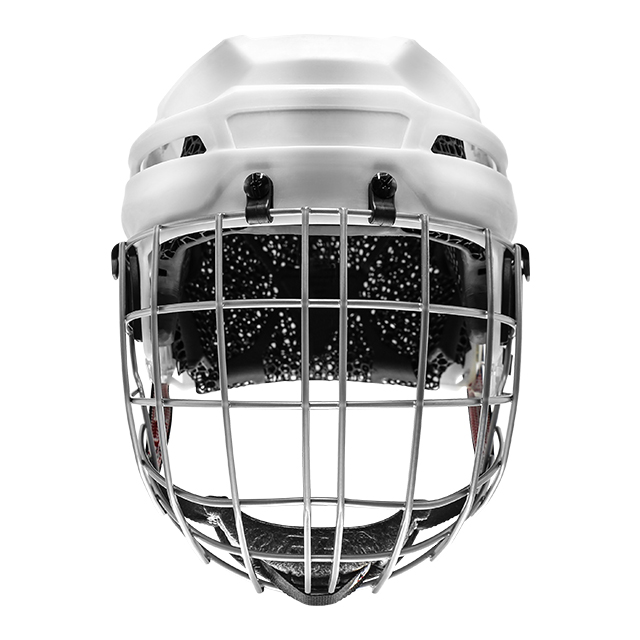
Baseline requirements dictate strictly governed legal standards. Any compliant protective shell must carry up-to-date certifications from recognized governing bodies. US markets require HECC approval. Canadian leagues mandate CSA certification. European regions rely on CE marks. You cannot legally or ethically distribute uncertified gear.
Verifying expiration dates prevents critical compliance failures. HECC certifications expire exactly 6.5 years after the manufacturing date. They do not expire based on the purchase date. Buyers must verify the factory date stamp immediately upon receiving inventory. This ensures you never pay for aged stock. Soon-to-expire inventory destroys procurement budgets and forces early replacement cycles.
Always demand comprehensive documentation before accepting delivery. Manufacturers must provide valid, third-party laboratory test reports. These reports must explicitly match the specific shell and cage models you ordered. Never accept generic factory certificates. Generic documents often hide untested combinations. They might also conceal unauthorized material substitutions made during production. Some manufacturers try bypassing these strict rules to cut costs. They might submit one golden sample for testing while using inferior plastics for bulk production. Therefore, cross-referencing batch numbers against lab certificates remains a crucial defense mechanism.
Helmet shells and wire cages must operate as a unified shock-absorbing system. This features-to-outcomes approach directly impacts safety on the ice. Poor integration causes dangerous facial gaps. It also creates painful pressure points for the wearer. A poorly fitted cage rattles during gameplay and distracts the athlete. Cage fitment directly alters peripheral vision. If the wire mesh sits too far from the face, players lose critical sightlines. They cannot track the puck effectively near their skates.
Inspect the mounting hardware meticulously. The cage must rest securely inside the J-clips. Installers should never need to force or bend the wire to make it fit. The chin cup should align naturally underneath the wearer's jaw. Misaligned hardware transfers impact force directly to the face instead of the shell.
Mixing brands introduces significant safety risks. Procurement teams often try ordering shells from one vendor and cages from another. This strategy demands extreme caution. You must mandate strict tolerances to ensure true hockey helmet cage compatibility. Unmatched pieces rarely pass independent regulatory testing. Unless buying pre-assembled combos, document exact fitment tolerances before placing an order. Mismatched gear frequently voids manufacturer warranties and governing body certifications.
Proper impact absorption relies on flawless material construction. Assess liner density and adhesion immediately. Modern designs use EPP or VN foam. You must check for inconsistent glue application across the interior. Foam separating from the shell right out of the box signals major problems. This often indicates poor factory climate control. It might also point to expired adhesives used during assembly. Proper helmet quality control catches these issues early.
Inspect plastic shells for molding defects. Look closely at the polycarbonate or high-density polyethylene. Check for micro-cracks, unexpected warping, or inconsistent plastic thickness. Ventilation channels often reveal molding flaws. Weak plastic compromises the entire structural integrity.
Evaluate corrosion resistance on all metal parts. Screws, snaps, and wire coatings take a massive beating. High-quality hardware resists rust from sweat and moisture over multiple seasons. Factory application of anti-rust treatments remains vital for longevity.
Rusted or oxidized mounting screws appearing straight from the factory box.
Brittle J-clips snapping under light pressure during initial installation.
Peeling protective coatings on the facial wire exposing bare steel beneath.
Misaligned snap closures on the chin strap preventing secure fastening.
Loose internal padding caused by insufficient adhesive curing times.
You need a robust implementation strategy for receiving large shipments. Inspecting every single unit wastes time and labor. Instead, use statistical sampling to evaluate the entire batch efficiently. Warehouse staff can execute this efficiently without specialized engineering degrees.
Implement an Acceptable Quality Limit (AQL) methodology. This industry-standard statistical sampling protects your investment. We recommend an AQL of 1.5 for major defects. Use an AQL of 4.0 for minor cosmetic issues. This structured approach objectively determines whether to accept or reject the container. Effective bulk hockey helmet inspection depends on this rigorous sampling.
Your inspection team must conduct an "out-of-box" stress test. This physical evaluation mimics actual on-ice usage.
Tug chin straps firmly to test anchor strength and stitching durability.
Compress the shell laterally to ensure plastic resilience and shape memory.
Check tool-free adjustment mechanisms for jamming or loose locking cams.
Wipe the certification stickers to ensure they resist smudging and sweat.
Flex the wire cage slightly to confirm rigid weld points.
Standardized AQL Reference for Bulk Shipments
Batch Size | Sample Size Checked | Major Defect Limit (AQL 1.5) | Minor Defect Limit (AQL 4.0) |
|---|---|---|---|
500 - 1,200 | 80 | Accept 3, Reject 4 | Accept 7, Reject 8 |
1,201 - 3,200 | 125 | Accept 5, Reject 6 | Accept 10, Reject 11 |
3,201 - 10,000 | 200 | Accept 7, Reject 8 | Accept 14, Reject 15 |
You must evaluate a supplier's reliability long before signing any purchase orders. Shortlisting logic prevents major headaches later. Always demand empirical proof of their manufacturing capabilities. Do not rely solely on slick marketing brochures.
Watch closely for critical red flags during initial negotiations. A vendor refusing to provide sample units from the actual production run is a massive warning sign. Evasive answers regarding HECC or CSA testing labs indicate missing certifications. Avoid manufacturers offering unusually short warranty windows. These behaviors suggest a lack of confidence in their own product durability.
Conversely, seek out distinct trust indicators. Transparent defect resolution policies show operational maturity. Clear documentation of material sourcing proves they understand safety standards. For instance, they should specify the exact grade of steel used in the cages. Reliable vendors readily agree to pre-shipment third-party inspections. They welcome outside oversight.
Follow clear next-step actions to secure your supply chain. Request a detailed spec sheet immediately. Require a physical prototype for manual inspection at your facility. Mandate video confirmation of compliance stickers before final container loading. Establish these boundaries early to ensure smooth procurement cycles.
Sourcing head protection in bulk requires moving past simple aesthetic evaluations. You must focus entirely on strict mechanical and regulatory tolerances. Visual appeal matters little if the gear fails standard safety audits. Evaluating hardware, testing structural plastics, and confirming valid lab reports ensure you get what you pay for. A rigorous approach shields your league from unnecessary risks.
By enforcing compatibility checks, you prevent dangerous facial gaps. Verifying certification dates stops you from buying obsolete stock. Utilizing AQL sampling keeps inspection labor costs manageable while catching defects. Procurement managers following these steps protect their organization's budget. Most importantly, they protect their players' safety on the ice. Consistent enforcement of these standards elevates the professionalism of your entire operation. Action-oriented buyers refuse compromises on safety equipment.
A: Most certifications, such as HECC, are valid for 6.5 years from the date of manufacture, not the date of purchase. Bulk buyers must check the factory date stamp on the rear of the shell. Receiving aged inventory severely shortens the usable lifespan for your players and leagues.
A: While some cross-brand compatibility exists, it is not guaranteed. Mixing brands can void safety certifications if the specific combination hasn't been tested and approved by regulatory bodies like HECC or CSA. Always verify lab reports for the exact shell and cage combination before placing a bulk order.
A: Reputable manufacturers typically operate well under a 1.5% major defect rate. You should monitor this using an Acceptable Quality Limit (AQL) protocol. Any shipment exceeding this threshold during random sampling should immediately trigger a full batch review or an outright rejection of the container.


