- Home
- Products
- HOT
- Technology
- Service
- Resources
- About
- Contact
- All
- Product Name
- Product Keyword
- Product Model
- Product Summary
- Product Description
- Multi Field Search

Views: 0 Author: Site Editor Publish Time: 2026-08-10 Origin: Site


The combination of highly saline sweat, oxygen, and enclosed damp environments accelerates oxidation on metal hardware. This chemical reality means hockey equipment degradation happens fast if you ignore proper care. Unchecked rust on ice hockey cages is not merely a cosmetic issue; it compromises the structural integrity of the wire welds, obscures player vision, and can void safety certifications like HECC or CSA. When you take a puck to the face, you need absolute confidence that the metal grid will hold. This guide provides a technical framework for evaluating rust severity, executing safe rust-removal protocols, and implementing post-game moisture management to protect your equipment investment. We will break down how to distinguish between surface rust and structural failure, how to clean different finishes safely, and how to prevent oxidation before it starts.
The goal of cleaning is to restore visibility and halt surface oxidation without degrading the metal's protective coating. You must establish this baseline before attempting any repairs. Rust neutralizers stop active oxidation but cannot restore lost metal mass or weld strength. If the cage has lost structural integrity, cleaning it will not make it safe for play. You are looking to remove the orange dust that blocks your peripheral vision and stops the hardware from seizing up. Anything beyond that requires a trip to the pro shop for a replacement. We evaluate the metal by looking at the joints, the straight bars, and the mounting points. If the straight bars have a little surface discoloration, you can fix that. If the joints where the bars intersect are crumbling, the cage is dead.
You need to know exactly what kind of rust you are dealing with before you start scrubbing. Surface rust presents as orange or brown discoloration. It feels relatively smooth to the touch and can be easily scraped off with a fingernail. Structural pitting is far more severe. Look for bubbling paint or chrome, deep craters, flaking metal, and rust concentrated heavily at the joint intersections. Pitting indicates the metal itself is degrading and losing its tensile strength.
| Characteristic | Surface Rust | Structural Pitting |
|---|---|---|
| Visual Appearance | Light orange or brown dust, mostly flat against the metal. | Dark brown or black spots, bubbling paint, flaking chrome. |
| Tactile Feel | Smooth or slightly gritty; wipes away with friction. | Rough, uneven, features physical craters or divots in the metal. |
| Location | Usually on the straight sections of the wire or flat hardware. | Concentrated at the weld joints, screw holes, and intersections. |
| Action Required | Clean and neutralize using mild acids and abrasives. | Discard and replace the cage immediately. |
Goalie-specific cages, whether cat-eye, certified straight bar, stainless steel, or chrome finishes, face closer, higher-velocity puck impacts on a routine basis. Because of this extreme force, even minor rust on goalie cages presents a higher catastrophic failure risk compared to standard player cages. A compromised weld on a goalie mask can lead to severe facial injury, as the puck can bend the weakened wire inward or break it entirely. Player cages take impacts, but usually from errant sticks or glancing pucks. Goalies take direct, heavy shots to the face. Therefore, the tolerance for rust on a goalie mask is absolute zero. If a goalie cage shows any sign of weld degradation, it goes in the trash.
HECC and CSA certifications apply strictly to the structural rigidity of the cage at the time of manufacture. Using heavily rusted cages against high-velocity impacts from pucks and sticks is dangerous and technically voids these certifications. Referees at higher levels of play will inspect equipment and can throw you off the ice for a rusted, compromised cage. Use a clear decision matrix: If rust is purely surface-level on the bars, proceed to clean. If rust is eating into the welds or causing pitting, replace the cage immediately to maintain safety compliance. Do not risk your eyesight or your teeth to save a few dollars on a piece of protective equipment that has clearly reached the end of its usable life.
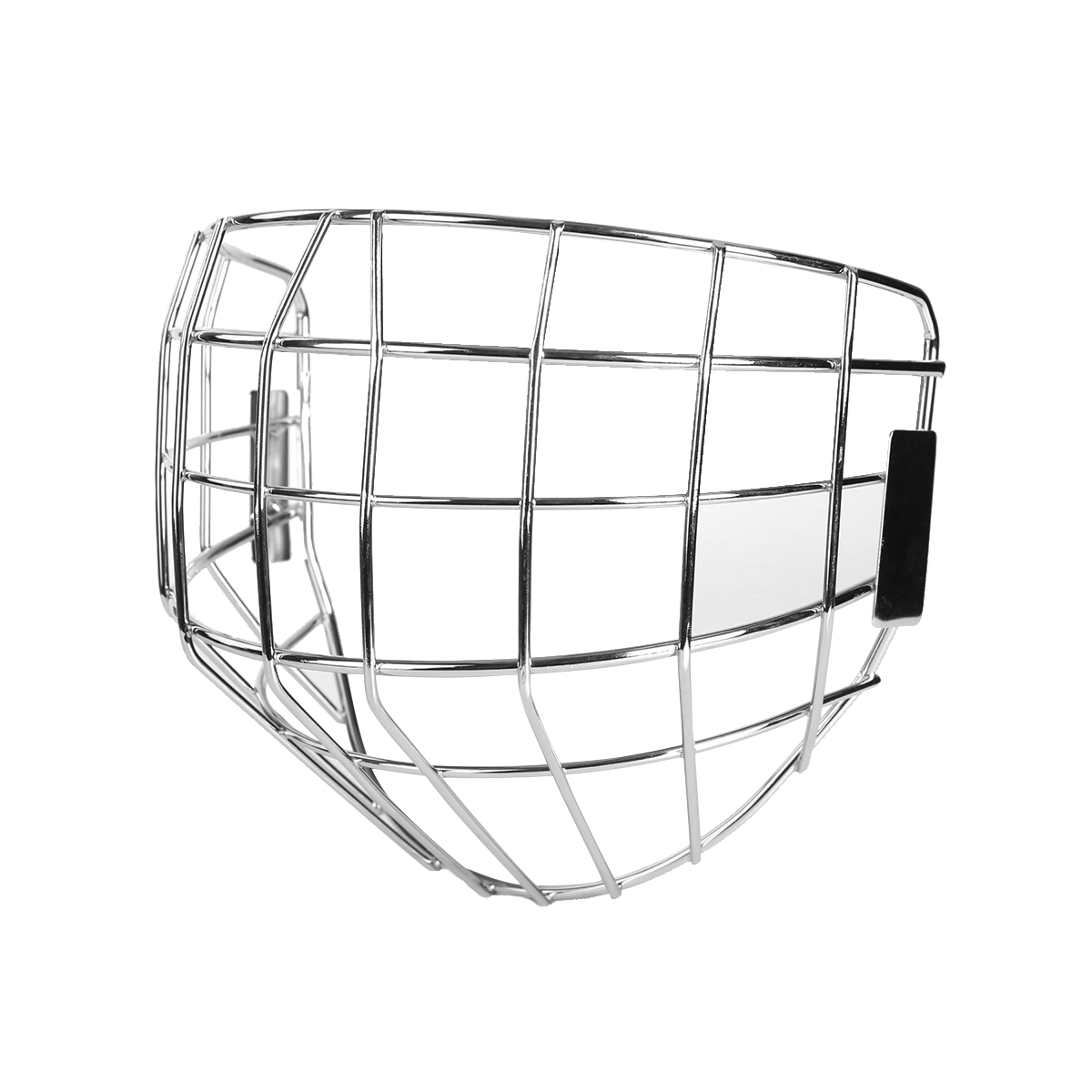
Before you attack the rust, you have to get rid of the salt, sweat, and rink grime that covers the equipment. Cleaning a cage while it is still attached to the helmet is a rookie mistake that leads to ruined foams and rusted screws.
Safe localized soaking of detached cages is entirely different from dangerous "full-helmet" bathtub soaking. Throwing your entire helmet into a bathtub full of hot water and detergent degrades protective vinyl-nitrile and EPP foams. It also forces water into the internal screw threads, guaranteeing they will rust and seize. Furthermore, never put metal cages or helmets in washing machines, even within protective mesh bags. The mechanical impact damages weld joints, bends the wire grid out of shape, and destroys the washing machine drum. Hand washing the detached cage is the only acceptable method for routine cleaning.
Acetic acid in white vinegar reacts with iron oxide to break down rust safely without eating through the base metal. This is the most effective and accessible chemical treatment for hockey gear. Spray a 1:1 vinegar and water solution directly onto rusted areas or soak heavily oxidized spots for 30 to 60 minutes. You will see the rust start to dissolve and turn into a dark liquid. Do not use bleach or harsh industrial solvents like brake cleaner or heavy-duty degreasers. These chemicals degrade the chin cup straps, weaken the metal alloys, and leave toxic residues right next to your mouth and nose.
For minor rust spots that resist vinegar, specialized commercial rust converters can be effective. Select non-toxic, non-corrosive inhibitors designed for household or sporting goods use. It is vital to choose products that will not release harmful fumes close to the player's face and eyes during gameplay. Apply the inhibitor with a cotton swab directly to the rust spot, let it cure according to the manufacturer's instructions, and then wipe it away. Always wash the cage thoroughly with soap and water after applying any chemical treatment to ensure no residue is left behind.
Coarse-grade steel wool is superior to sandpaper for this application. Steel wool wraps around the cylindrical wires of the cages and applies even friction without creating flat spots. Sandpaper is rigid and will quickly strip the paint or protective coating off the high points of the wire while missing the rust in the crevices. Gently buff the vinegar-soaked rust spots with steel wool until the raw metal or base coating is exposed, then wipe clean. Work in small sections and apply light pressure. You want to remove the rust, not the paint.
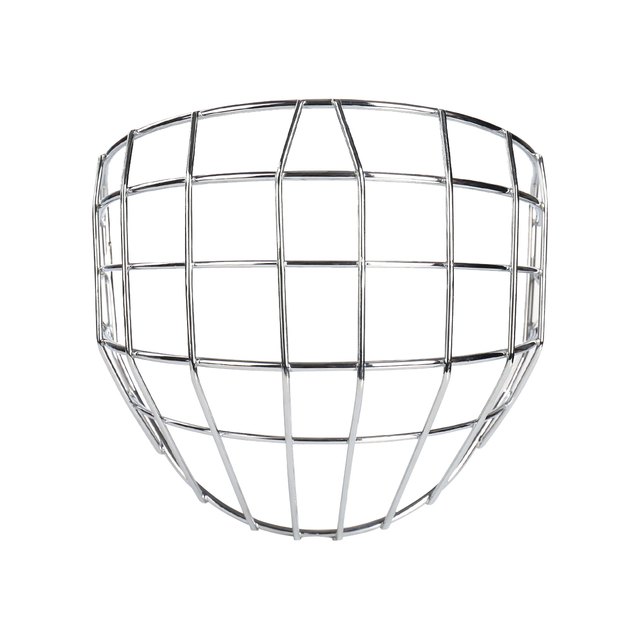
Chrome plating is highly susceptible to micro-scratches and flaking. When cleaning a Chrome Ice Hockey Cage, you must adjust your protocol. Standard steel wool will scratch the chrome, leaving a dull, cloudy finish that looks terrible and invites more rust. Instead, use ultra-fine steel wool (0000 grade) or the aluminum foil method. Dipping crumpled aluminum foil in water or vinegar allows you to chemical-mechanically polish the chrome without stripping the delicate finish. The aluminum is softer than the chrome but harder than the rust, making it the perfect abrasive for this specific finish.
The fight against rust starts the second you step off the ice. Mandate the use of a dry microfiber towel immediately after getting to the locker room. Wiping down the cage, the helmet hardware, and the skate blades intercepts the oxidation process before the gear ever goes into the bag. Removing the highly saline sweat promptly is the most effective way to prevent rust from forming. It takes ten seconds to wipe down your cage, but it adds years to the lifespan of the equipment.
Damp gear left in an unventilated bag creates a high-humidity microclimate ideal for rust. Zipping your wet gear into a canvas bag and leaving it in the trunk of your car is a guaranteed way to destroy your equipment. To combat this, use equipment drying racks, place dehumidifiers in the storage room, and always leave the hockey bag open. Proper airflow is essential for keeping metal components dry. If you play multiple times a week, invest in a fan to blow directly on your gear rack to accelerate the drying process.
Mounting hardware often rusts before the cage itself. The sweat drips down the helmet and pools in the screw heads and J-clips. Periodically loosen, clean, and lubricate the helmet screws to prevent them from locking permanently. If a screw seizes, you will have to drill it out, which often ruins the helmet. Applying clear nail polish or specialized anti-rust sprays on screw heads and J-clips helps seal out moisture and extends the life of these small components. Check your hardware once a month to ensure everything is tight and rust-free.
Calculate the time and cost of purchasing rust neutralizers, steel wool, and specialized detergents versus the cost of a new cage. While cleaning supplies are inexpensive, the labor involved in restoring a heavily rusted cage may outweigh the cost of simply purchasing a replacement, especially if safety is questionable. If you have to spend two hours scrubbing a cage that only costs forty dollars to replace, your time is better spent buying a new one. However, routine maintenance takes minutes and costs pennies, making it highly cost-effective.
Cage longevity depends heavily on the frequency of play and the diligence of your maintenance routine. A beer league player who skates once a week and dries their gear properly may get five to seven years out of a cage. A daily competitive practice schedule accelerates wear, exposing the cage to more sweat, more impacts, and more moisture. While routine maintenance extends life by years, all metal cages have a finite lifespan in high-moisture sports and will eventually need replacement. Inspect your gear at the start of every season to ensure it is still up to the task.
A: Steel wool is preferred over sandpaper. Steel wool wraps around the cylindrical wires easily, providing even abrasion. Sandpaper can create flat spots and strip the protective coating unevenly, exposing more raw metal to moisture.
A: No. Painting over rust traps active oxidation underneath, allowing it to continue degrading the metal unseen. Additionally, the paint can easily chip off during play and get into the player's eyes.
A: Use ultra-fine steel wool (0000 grade) or crumpled aluminum foil dipped in vinegar. These methods polish the chrome gently without stripping the finish or causing micro-scratches that invite future rust.
A: Rust accelerates due to the chemical catalyst of salt in human sweat combined with oxygen and poor bag ventilation. Leaving wet gear in a closed bag creates a perfect high-humidity environment for rapid oxidation.
A: Minor surface rust does not void certification. However, any structural modification, deep pitting, or broken welds immediately void safety certifications and require immediate cage replacement for player safety.
A: No. Soaking the entire helmet degrades the protective foams and causes internal screws to rust and seize. Always detach the cage from the helmet before soaking or cleaning it.